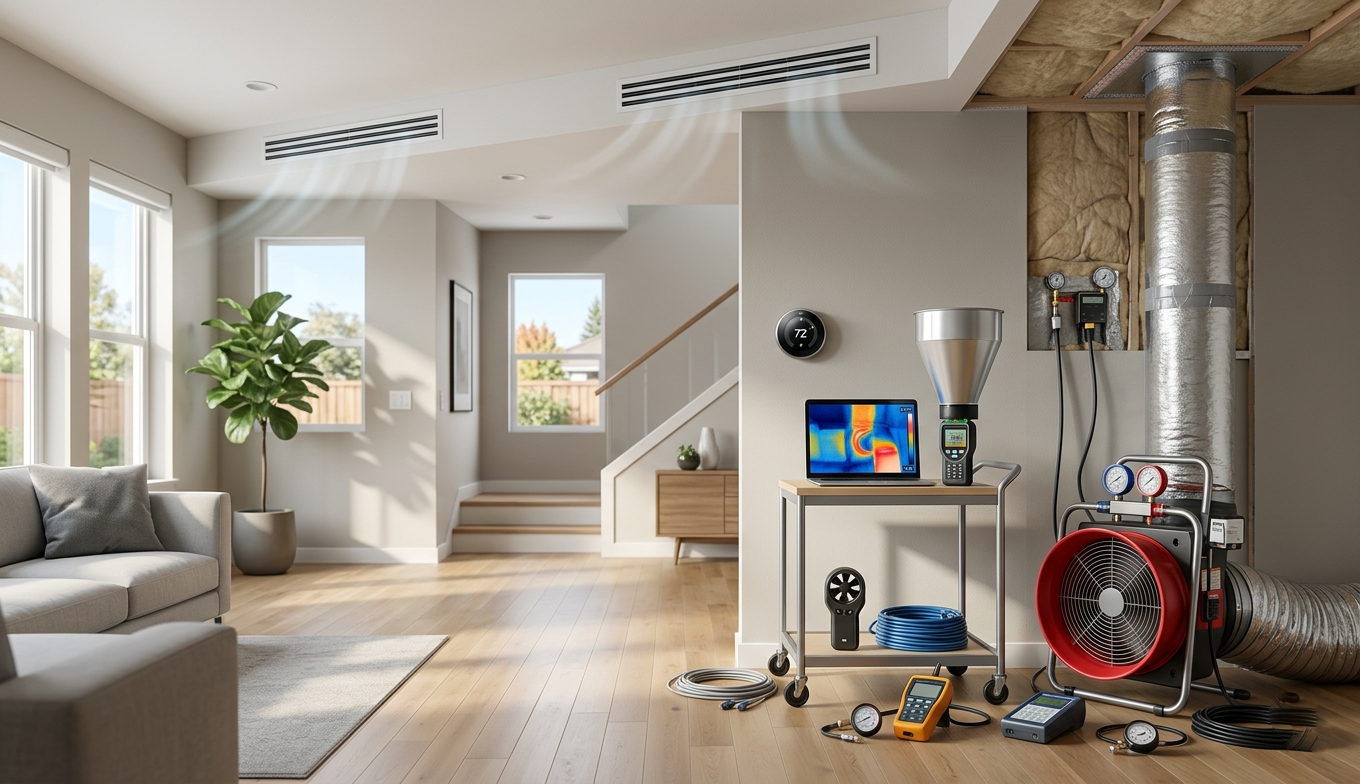
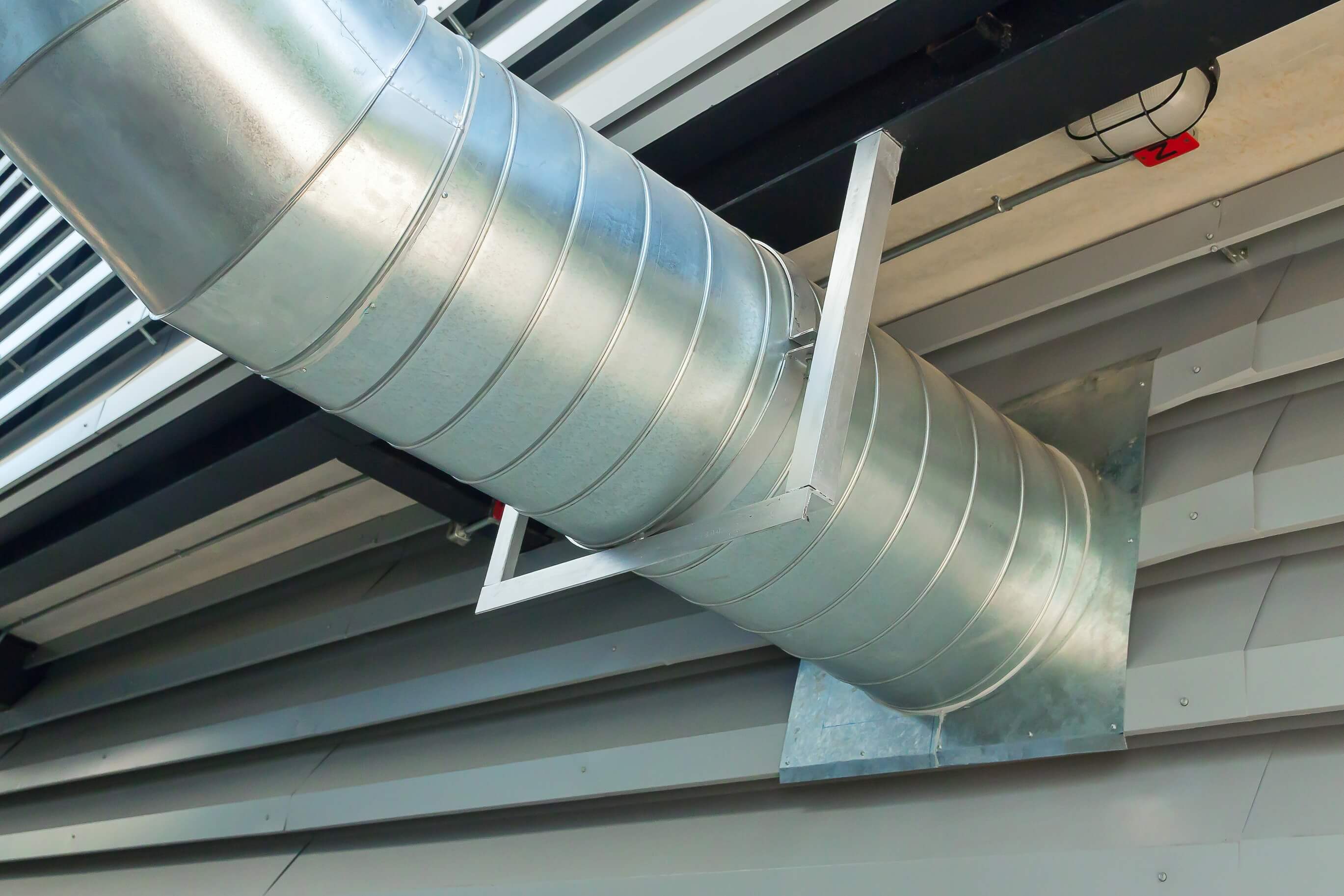

A functioning HVAC system makes the space comfortable and also lessens the energy cost along with improved air quality. One important way to measure the efficiency of your heating and cooling system is through a duct leakage test. This test determines if conditioned air is escaping through leaks in your ductwork of reaching the rooms in your home.
Failing a duct leakage test can be frustrating. This is especially true if you’re building a home replacing an HVAC system or completing a remodeling project that requires energy code compliance. The good news is that most duct leakage issues can be identified and repaired with the approach.
What Is a Duct Leakage Test?
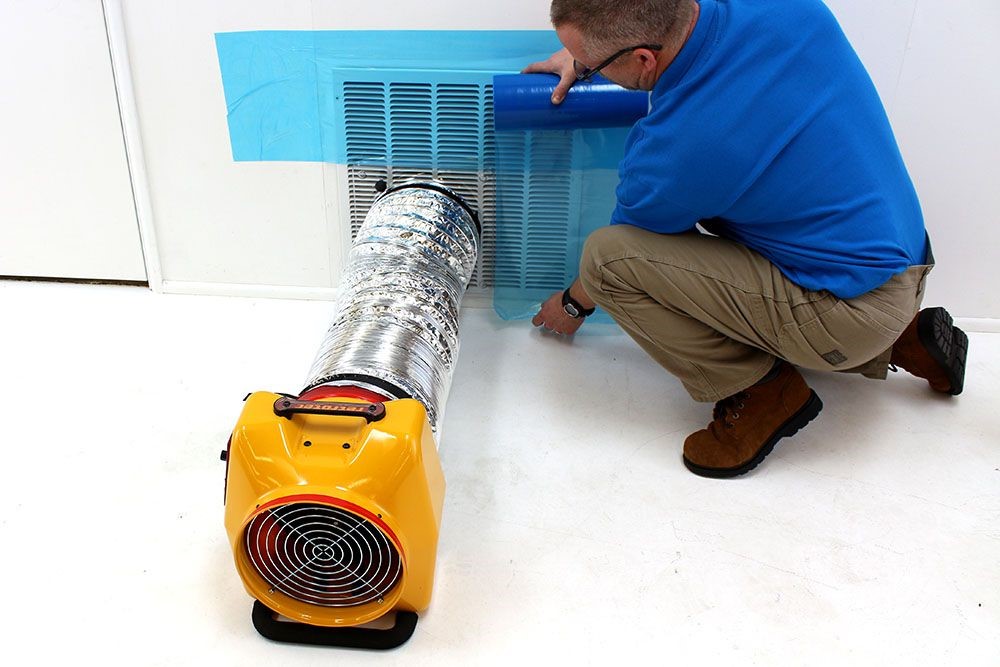
This test is used to measure how much air escapes from the HVAC duct system before it reaches the living space. During this kind of test, certified technicians always use the tools to pressurize the ductwork. They then measure the amount of air leaking through joints, seams, connections or damaged sections.
The purpose of the duct leakage test is to ensure your duct system operates efficiently. It must also meet building or energy code requirements. If there’s air leakage your HVAC system has to work harder. This increases energy consumption. Reduces overall comfort.
When Is a Duct Leakage Test Required?
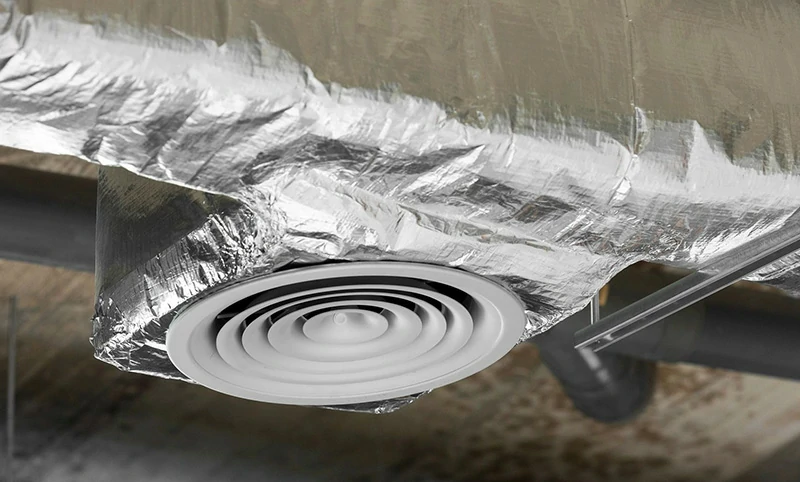
A duct leakage test is commonly required for new home construction, replacement of HVAC, major addition in home, some remodeling projects, tile compliance with the regional codes. This also needs energy efficient certification and remodel projects. Passing the test shows that your duct system is properly sealed and performing as intended.
Why Homes Fail a Duct Leakage Test
Several issues can cause air leakage within a duct system. Understanding these problems is the step toward correcting them.
Poor Duct Sealing
One common reason a home fails a duct leakage test is sealing around duct joints and connections. Over time sealants may crack. Tape may loosen. Installers may overlook gaps during installation. Even tiny openings allow conditioned air to escape into attics, crawl spaces or wall cavities. This air doesn’t flow into occupied rooms. Professional grade mastic sealant tapes are used to seal duct connections so that leakage can be avoided.
Damaged or Disconnected Ductwork
Physical damage could be the reason for the performance effect. Common issues include crushed flexible ducts, torn insulation, holes that are caused by pests, loose fitting, old material and metal ducts. These issues not only increase air leakage but can also reduce airflow. This makes it difficult to maintain indoor temperatures. Routine inspections help identify damage before it becomes a problem.
Improper HVAC Installation
Even new HVAC systems can fail a duct leakage test if the installation was not completed correctly. size issues, poor work, incorrectly connected or poor installation could be reasons for the excessive leakage. professional installation always follows the guidelines and manages the codes so that entire performance can work in an efficient manner.
Working with HVAC contractors greatly reduces the risk of installation-related failures. They know how to install HVAC systems. They also ensure that duct systems are properly sealed and functioning efficiently.
What Happens After a Failed Duct Leakage Test?
Failing a duct leakage test does not mean your heating and cooling system needs to be replaced. In cases it simply means repairs are needed before the system works properly. After the test the technician provides a report that shows where air is leaking. This report helps figure out what needs to be fixed.
Depending on the findings repairs may involve sealing joints, reconnecting duct sections replacing damaged materials or fixing installation errors. If the test is required for building code compliance or an energy-efficiency program your project may not get approval until the ductwork passes a retest.
This can delay occupancy permits, construction timelines or renovation completion. The good thing about getting a test report is that it gives homeowners and contractors a clear plan for making the necessary improvements.
How to Fix Common Duct Leakage Problems
Most duct leakage issues can be fixed without replacing the heating and cooling system. There are some common methods that help such as using glue for sealing duct, replacing old ones, reconnecting loose or separated, fixing holes, secure fitting and improving insulation. In some cases technicians may suggest redesigning the duct layout if it causes pressure or poor airflow.
Professional repairs are a must. Temporary fixes often do not eliminate leakage completely. That’s why professional repairs are strongly recommended.
Can You Retake a Duct Leakage Test?
Yes you can retake the test after repairs have been completed. This helps verify that the system now meets the required standards. There is no limit on the number of retests. Each test may cost extra. Before scheduling a retest make sure all recommended repairs have been completed thoroughly.
How to Prepare for a Successful Retest
To pass the duct leakage test follow these steps:
- Complete every recommended repair from the initial report.
- Have the HVAC contractor inspect all duct connections.
- Confirm that all duct sections are securely attached.
- Replace damaged insulation if necessary.
- make sure access panels are properly closed.
- Verify that registers and vents are correctly installed.
- Remove construction debris that could interfere with testing.
- Schedule the retest after repairs have been fully completed.
Good communication between the HVAC installer and the testing professional helps identify any remaining concerns before the inspection.
Why Professional Duct Testing Matters
Professional duct leakage test services do more than just meet code requirements. They make sure your heating and cooling system works efficiently, comfortably and safely. Here are some benefits of duct testing such as less energy bills, elevated comfort, better airflow, reduced strain, system lifespan, compliance with regional codes and even improved the value of the home. Certified technicians use special equipment to find hidden leaks that may not be visible during a standard inspection.
Final thoughts
A failed duct leakage test may seem like a setback. It’s often an opportunity to improve your home’s energy efficiency and heating and cooling performance. Most failures result from issues such as poor duct sealing, damaged ductwork or installation errors all of which can usually be repaired without replacing the entire system. By working with HVAC professionals completing recommended repairs and preparing carefully for a retest homeowners can achieve compliance while enjoying lower energy costs, improved comfort and better indoor air quality.
Whether you’re completing a construction project or upgrading an existing heating and cooling system, professional duct testing is a valuable investment in your home’s long-term efficiency and performance.