What Is HERS Verification in California? A Complete Guide for Builders and Homeowners

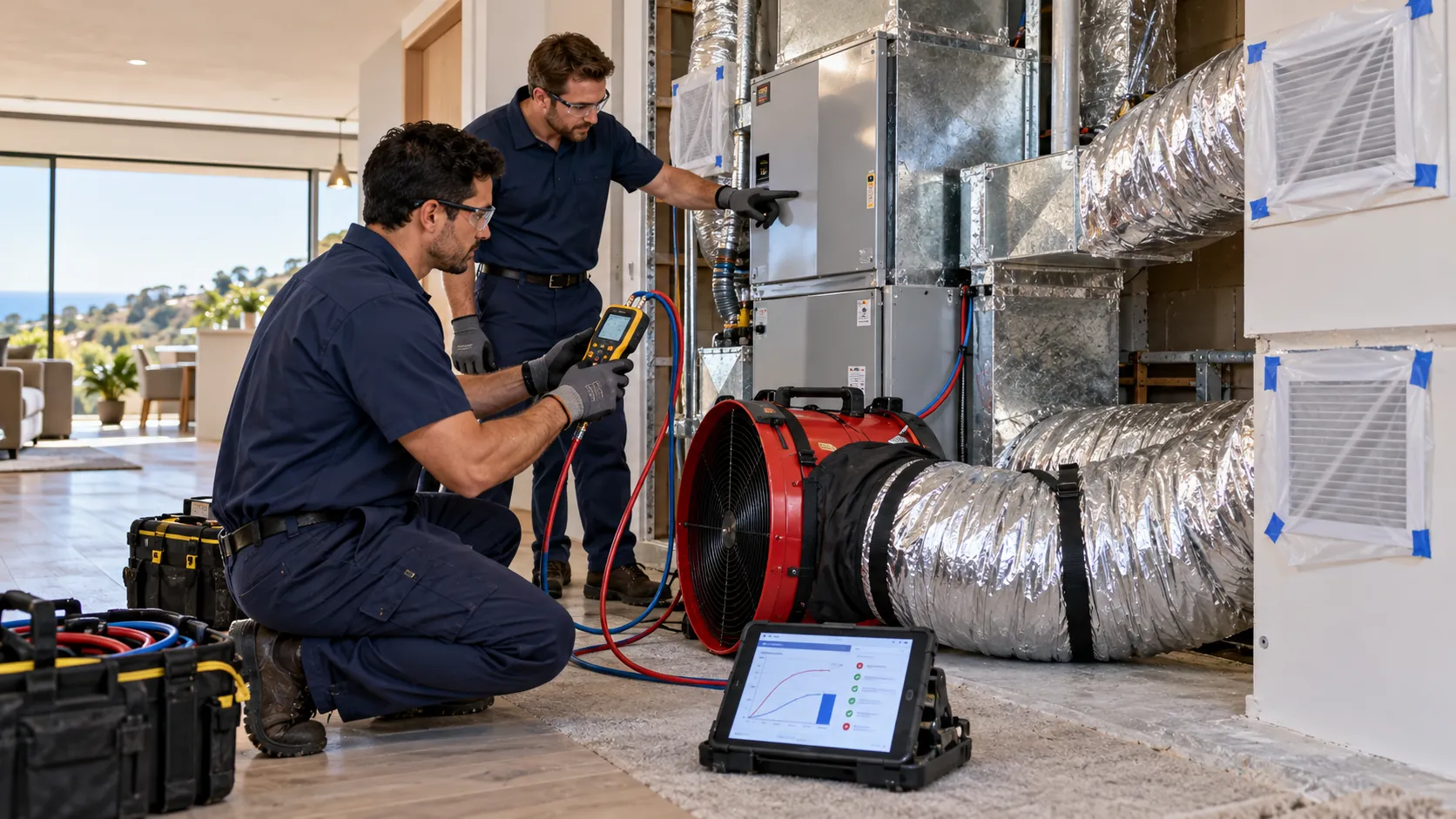
What Is HERS Verification in California? It is a process that checks whether specific energy-related features of a building meet California’s energy efficiency requirements. Certified raters perform required field tests and inspections to verify HVAC performance, duct sealing, insulation installation and other measures listed in the project’s compliance documents.
How Does HERS Verification Work During New Construction?
HERS verification typically takes place at stages of construction. The process begins with reviewing the project’s energy compliance documents to determine which field tests and inspections are required.
The rater then coordinates with the builder or HVAC contractor to inspect systems and perform the necessary diagnostic tests. Depending on the project this may include duct leakage testing, airflow measurements, refrigerant charge verification or insulation inspections.
After completing the required checks the rater records the results. Submits the applicable verification information through California’s approved compliance documentation process. Early coordination is important. Scheduling inspections before walls are closed or equipment becomes difficult to access can help builders avoid rework, missed inspections and delays during approval.
Reviewing Energy Compliance Documents and Required Tests
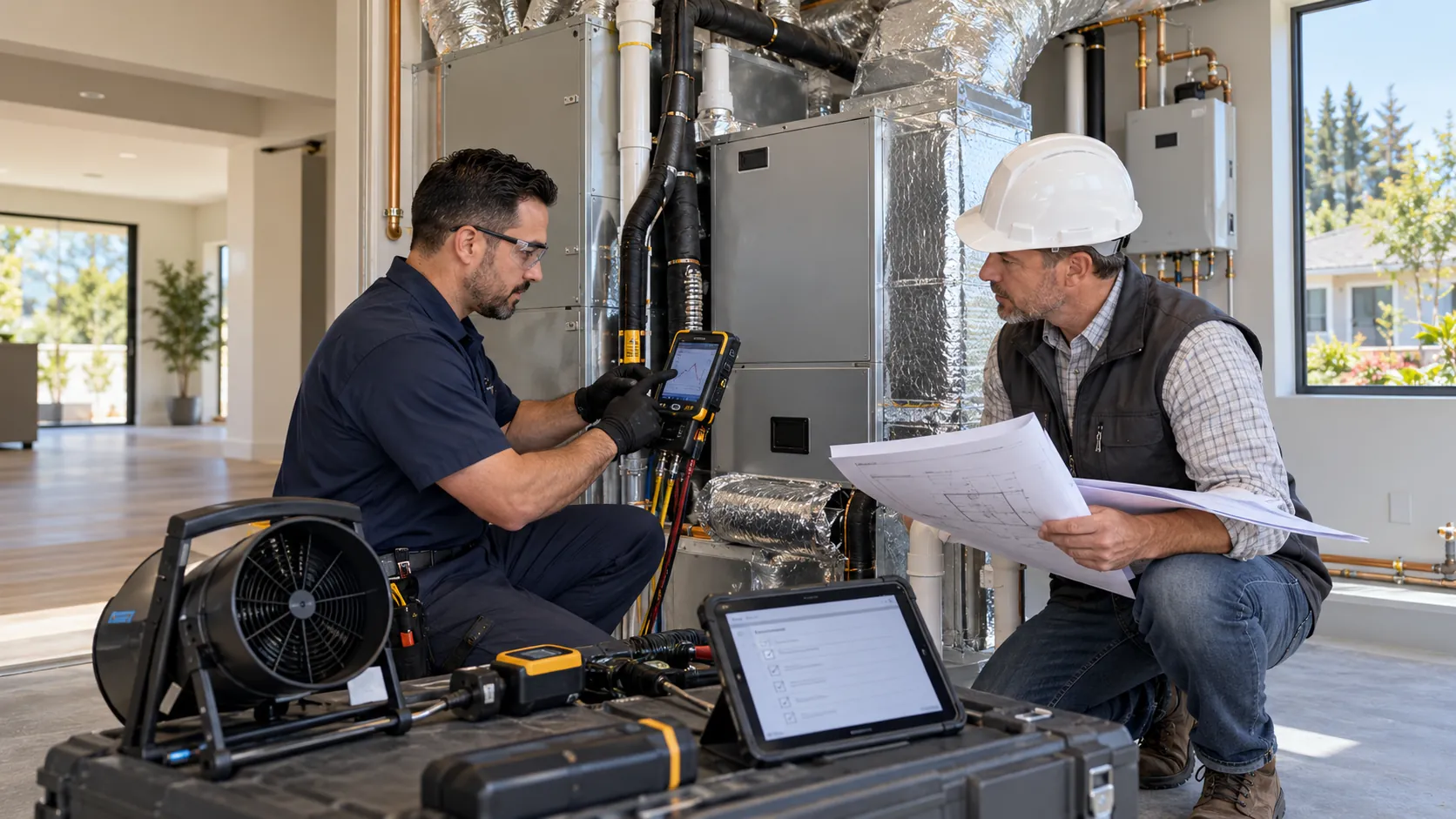
Before visiting the property the HERS rater reviews the energy compliance documentation, including certificates and registered compliance forms. These documents identify the energy measures and verification procedures required for the project.
The rater uses this kind of information to manage the testing plan and coordinate with the construction people. Reviewing demand early helps in preventing the missed tests and make sure contractors know which installation details must be ready for assessment.
Performing On-Site HVAC Diagnostic Testing
During the site visit the rater performs the required tests using appropriate equipment. These may include measuring duct leakage, checking airflow or verifying charge depending on the approved compliance requirements.
The results help determine whether the installed systems meet the standards. If a test identifies a problem the builder or HVAC contractor may need to correct the issue before verification can be completed.
Recording Test Completing Verification Documentation
After testing the rater documents the measurements, inspection findings and verification status. Required results are recorded through the California compliance registry and documentation process.
Which HVAC Systems and Energy Features May Require HERS Verification?
HERS verification requirements rely on the project’s approved energy compliance documents. Measures that often need field verification are duct sealing, HVAC airflow, charge and quality insulation installation. These checks show that energysaving features are installed correctly, not just listed in the plans.
Duct Leakage and Air Distribution Testing
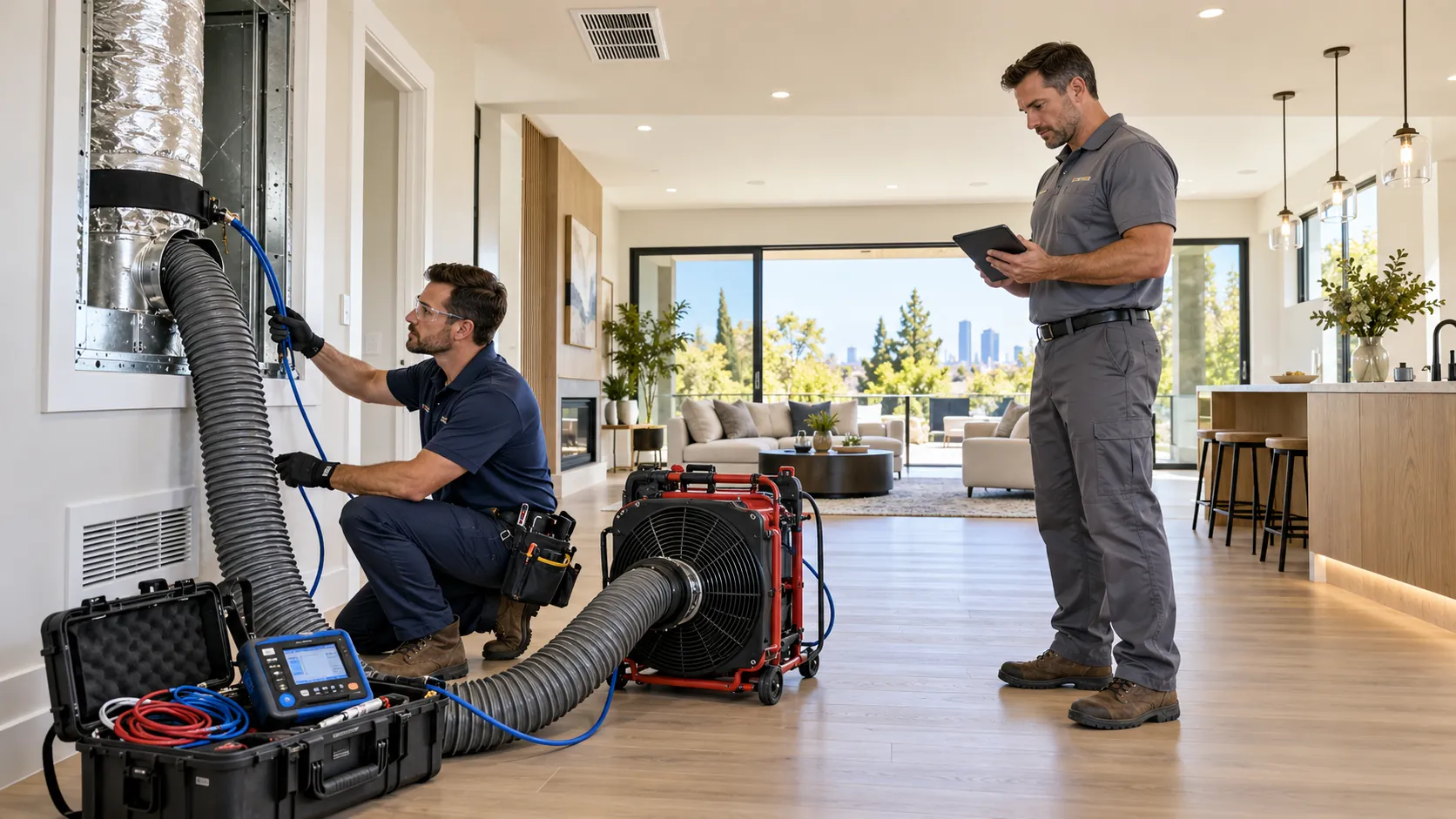
Duct leakage testing measures how much air escapes from the HVAC duct system. Much leakage wastes energy lowers comfort and makes it hard to keep temperatures steady. When required a HERS rater uses equipment to measure leakage and compare it with the limits. Sealed ducts deliver conditioned air to the places it is needed.
HVAC Airflow and Refrigerant Charge Verification
Some HVAC installations need airflow measurements or refrigerant charge verification. Wrong airflow or refrigerant levels lower system efficiency. Hurt heating and cooling performance.
The HERS rater follows the testing procedures to see if the system meets the project’s requirements. If results are outside limits the HVAC contractor may need to adjust the system and arrange retesting.
Quality Insulation Installation (QII) Verification
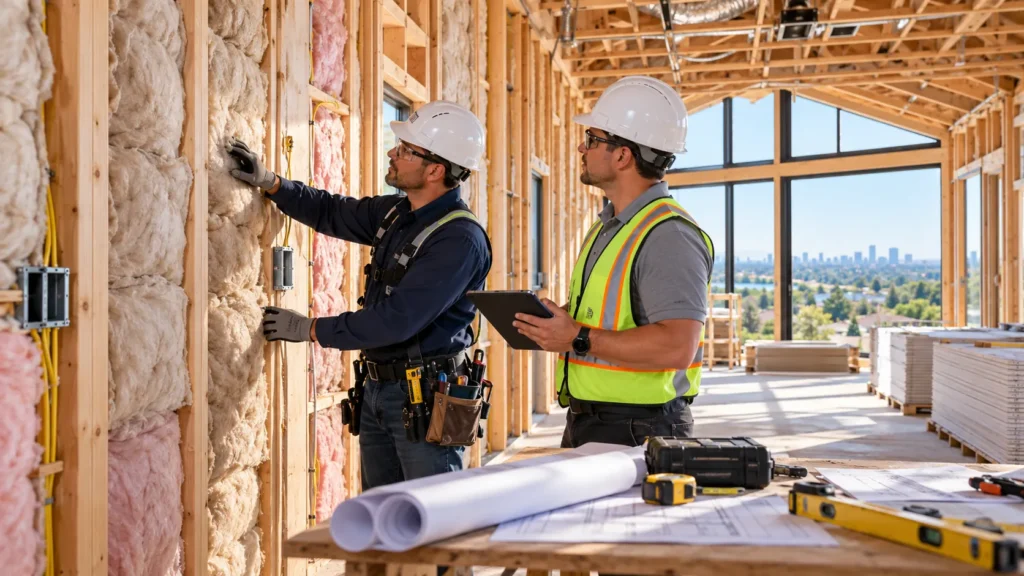
Quality Insulation. Qii, verification checks if insulation has been installed per the applicable requirements. The inspection may look at insulation coverage, gaps, compression and how it is installed around framing or other building parts.
When needed this verification is especially important before drywall hides the insulation. Correct installation cuts heat transfer and supports the building’s intended energy performance.
When Should Builders Schedule HERS or ECC Verification During Construction?
Scheduling verification at the time helps avoid construction delays. Builders should review compliance documents early, spot required tests and coordinate with HVAC contractors, insulation installers and other trades.
Some inspections must happen before construction elements are concealed while other tests can finish when HVAC equipment is installed and running.
Before Drywall Installation or When Insulation Is Accessible
Schedule required insulation verification while walls and ceilings are still open. This lets the HERS rater inspect the quality before drywall covers the work. If an inspection is missed, opening finished walls can add labor, material costs and scheduling problems.
Before Final Inspection and Project Completion
Arrange HVAC diagnostic testing when the equipment and system is ready. Give time for correction and retesting if needed. Confirm the verification records are finished before the assessment.
What Happens If a Required HERS Verification Test Fails?
A failed test shows that a required measure has not met its verification criteria. It does not automatically mean that the whole project has failed. It may need corrective work before HERS verification can be documented.
Identifying the Problem and Completing Corrective Work
The rater tells the builder or responsible contractor about the failed result or inspection finding related to verification. The team then finds the cause. Completes the necessary corrections. For example an HVAC contractor may need to seal leaking ducts, adjust airflow or correct the charge. Insulation installers may need to fix gaps or incomplete coverage.
Retesting and Updating Compliance Records
After work the affected system or feature is retested or reinspected as required. The rater documents the results and updates the HERS verification records. Builders should keep communication with the rater and confirm that all required verification steps are complete before requesting final approval.
FAQS
Is verification required for every new home in California?
No. Requirements depend on the Energy Code, project design and selected energy measures. Only the verification procedures required for the project must be completed.
Who is responsible for scheduling verification?
The builder, contractor or project team typically coordinates scheduling. HVAC contractors and other trades may assist by preparing systems and ensuring access for testing.
How much does HERS verification cost in California?
Costs vary by location, project size, required tests and the number of site visits. Request a project- quote that includes testing, documentation and potential retesting fees.
Can a project pass Title 24 without every HERS test?
Yes. A project generally needs the verification procedures to its approved compliance approach, not every available HERS test. The approved documents determine which tests are required.
Schedule HERS and Energy Compliance Verification in Sacramento CA
Planning a construction project in Sacramento? Arrange required HERS and energy compliance verification early to help keep inspections, documentation and project completion on schedule. Contact a local provider to discuss your project’s testing requirements and request a quote.