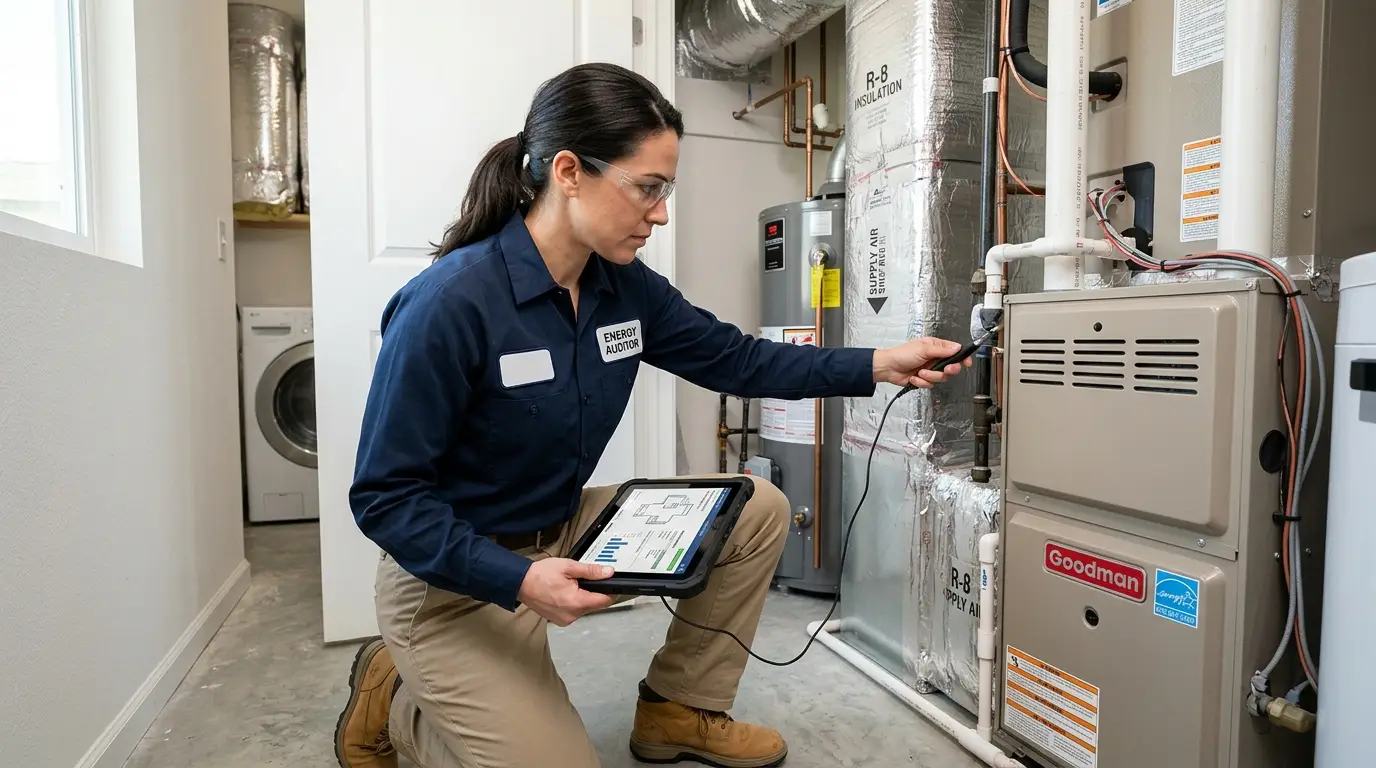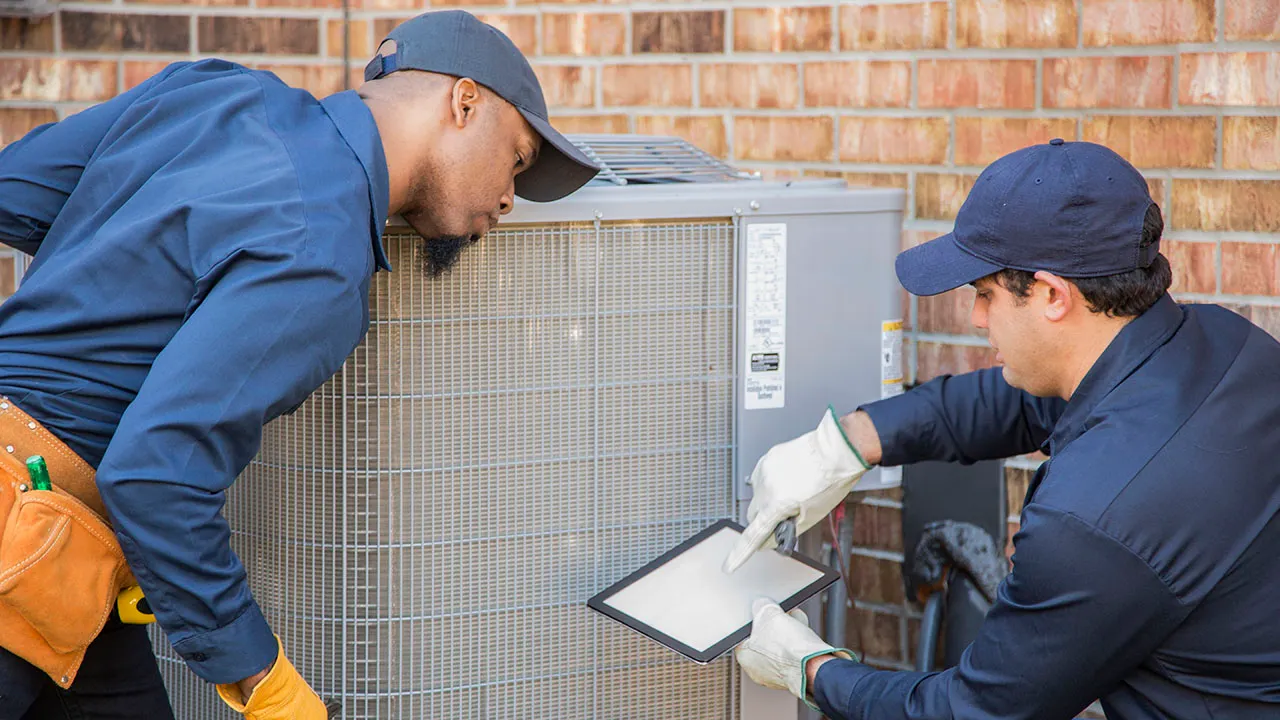

When you install or replace an HVAC system in California meeting the equipment specifications is part of the job. The HVAC system also has to show that it delivers the required amount of air. Under California’s Title 24 Energy Code some projects require field verification and diagnostic airflow testing to confirm HVAC performance and code compliance.
Why Airflow Testing Is Required Under California Title 24
California’s Energy Code aims to improve building energy efficiency while addressing HVAC performance and other building systems. The requirements apply to constructed buildings as well as qualifying additions and alterations.
Airflow testing is important because insufficient airflow can affect how an air‑conditioning or heat‑pump system operates. A system that does not meet the airflow requirement may not provide the expected heating or cooling performance.
Testing provides documented evidence that the installed HVAC system meets the requirement instead of relying only on the installers assumptions.
When Is Airflow Testing Required?
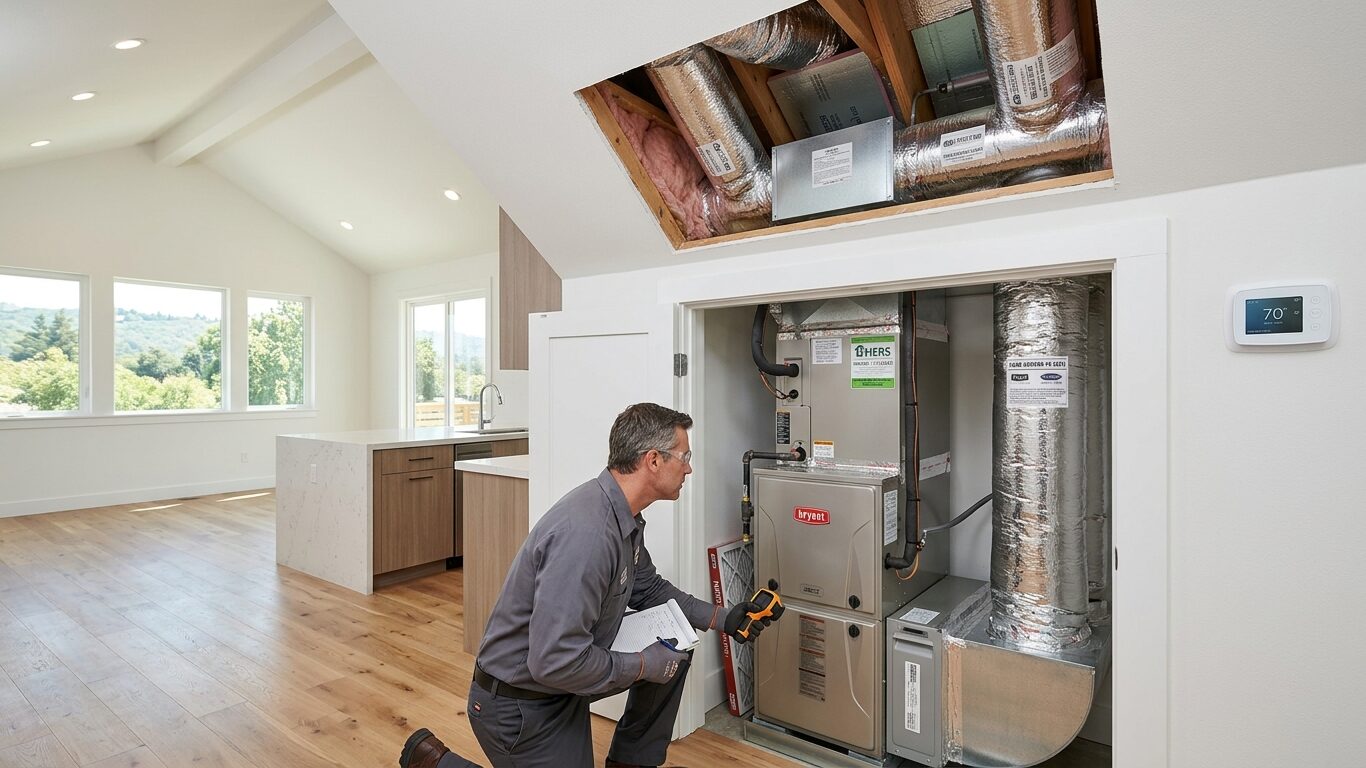
The exact testing requirements depend on the type of project HVAC equipment, compliance approach and applicable code provisions. The California Energy Commission requires field verification and diagnostic testing for constructed single-family buildings and prescribes these tests for many HVAC additions and alterations.
New Construction Projects
New single-family construction can require field verification and diagnostic testing. Under the 2025 Energy Code constructed single‑family buildings must meet applicable mandatory and prescriptive HVAC requirements or use an approved performance compliance approach.
The Certificate of Compliance identifies required field verification and diagnostic testing for the project. If the HVAC system requires airflow testing, technicians must test the completed installation according to the required procedure rather than relying only on the system’s rated specifications.
HVAC System Replacements
Replacing HVAC equipment can also bring on Title 24 requirements. The requirements depend on the equipment being replaced and how the contractor performs the change. Such as the California Energy Commission says that replacing an outdoor part of a split system can bring on duct sealing and field verification rules.
For some modified systems, the existing duct system must meet leakage requirements, and the installer and ECC-Rater must test it. A contractor should therefore check the Title 24 requirements that apply before starting an HVAC replacement thinking that replacing just one part is not part of the rules.
Home Additions and Alterations
Home additions can be another situation where airflow testing becomes important. If a contractor installs a new HVAC system to serve an addition, the system must meet the space-conditioning requirements.
The Energy Commission states that contractors must perform fan airflow and watt-draw testing in all climate zones when they install a new system, equipment, and ducting to serve an addition. Different requirements may apply when a contractor extends an existing HVAC system to serve the area. In that case duct sealing rules might apply to the old and the part of the duct system.
How Airflow Testing Is Done
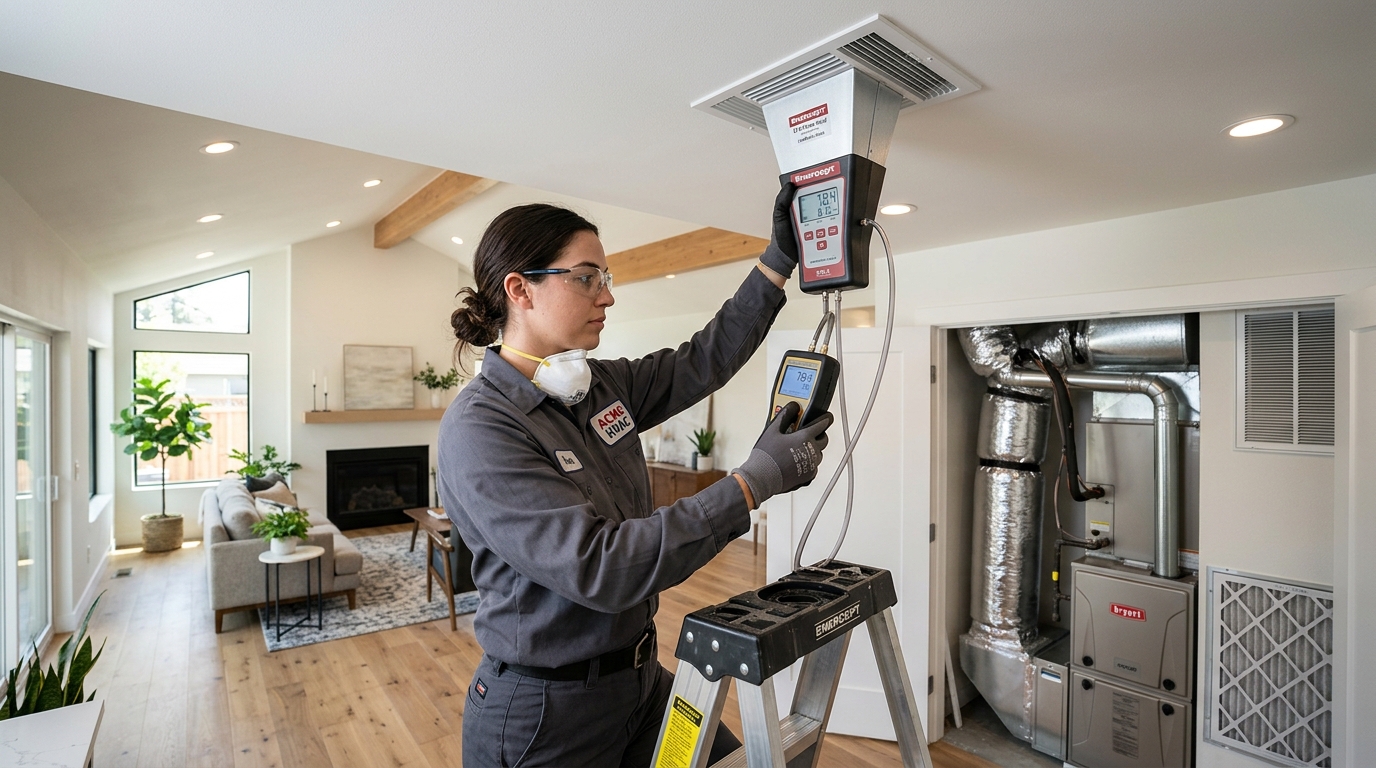
Technicians perform airflow testing using approved methods and appropriate tools. The person doing the test might measure airflow at supply registers, return areas or other points as needed for the test. The system might need to run under conditions so that the measurements show how it really works.
For home compliance testing California says the airflow tools used for checking must be certified by the Energy Commission. Technicians then compare the results with the applicable Title 24 requirements. If the system does not meet the required value, technicians may need to make adjustments before the system meets compliance requirements.
Airflow Hers Verification
The words used around California compliance testing changed with the 2025 Energy Code. Before 2026 many of the rules for field verification and airflow testing were linked to the program. Starting January 1 2026 the Energy Code Compliance (ECC) program became the way to check Title 24 compliance for field verification and testing. The 2025 Energy Code moved HERS providers and raters into the ECC system.
You might still hear contractors talk about ” testing,” especially when they are talking about older projects. For projects under the 2025 Energy Code however the paperwork for compliance uses the ECC words.
Common Issues That Cause Airflow Testing Failures
Several installation problems can affect airflow. Common examples include:
- Restricted ductwork
- Incorrect blower or equipment settings
- Dirty or overly restrictive filters
- Blocked supply or return registers
- Poorly designed duct layouts
- Improperly connected ducts
- Equipment that does not match the approved design
- Duct restrictions
Duct leakage can also affect system performance. For residential alterations California specifies maximum leakage levels and provides testing procedures for demonstrating compliance. Finding these airflow testing before the final compliance test gives the contractor an opportunity to correct them rather than discovering a problem after the project is nearly complete.
How to Prepare for a Successful Airflow Test
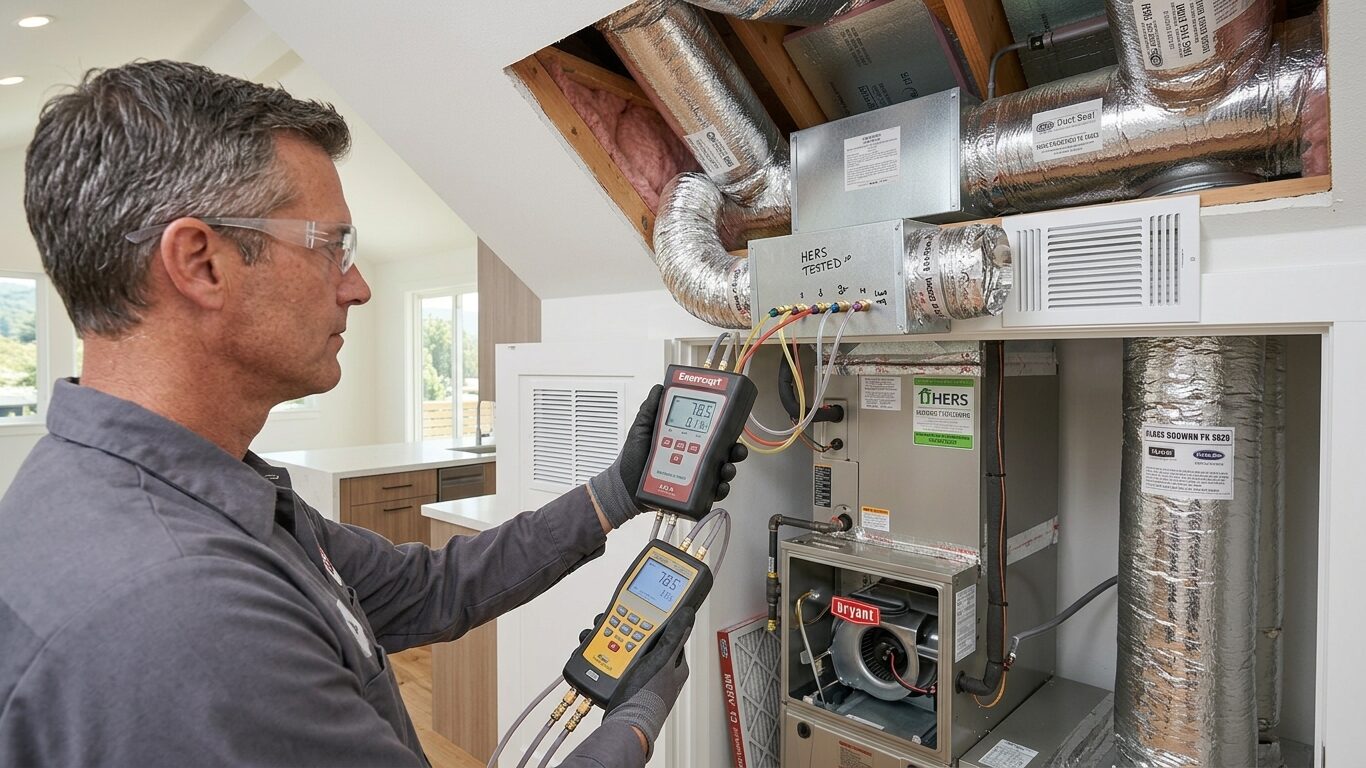
Preparation should begin during HVAC installation not on the day of testing. First make sure the installed equipment matches the approved project documentation. Ductwork should be properly. Keep sealed registers accessible and install filters correctly.
The HVAC contractor should also review the compliance documents and confirm the testing requirements for the specific project. If an ECC-Rater will perform the verification, make sure the technician can access the system and relevant areas.
California notes that compliance visits may involve HVAC equipment, ducts, vents, thermostats, electrical panels, attics, or crawlspaces, depending on the tests the technician performs.
Choosing a Certified Airflow Testing Provider
Airflow testing for Title 24 compliance should be performed by a professional familiar with the applicable Energy Code requirements and testing procedures. For projects requiring ECC field verification and diagnostic testing the California Energy Commission uses ECC Providers and ECC-Raters within its compliance framework.
When choosing a provider ask whether they are qualified for the type of Title 24 testing your project requires. It is also useful to confirm what documentation will be provided and whether the testing results will be registered through the compliance system.
Working with a provider can make the compliance process more organized and help identify potential problems before they delay project completion.
Conclusion
Airflow testing is a part of California HVAC compliance when the applicable Title 24 requirements call for field verification and diagnostic testing. It can apply to construction HVAC installations, additions and certain alterations but the exact requirements depend on the project and system.
For 2025 Energy Code projects, which apply to permits submitted beginning January 1 2026 the ECC program now handles the field verification and diagnostic testing framework that was previously associated with compliance.
Before starting an HVAC project review the Certificate of Compliance and applicable Title 24 provisions, with your contractor and compliance professional. Planning for airflow verification early can help avoid failed tests, unexpected corrections and unnecessary project delays.